On November 19, 2022, FIFA President Gianni Infantino stepped onto the stage at the World Cup’s main media centre in Doha to address journalists about the ongoing tournament. A few days later, in a surprising crossover of sport and politics, he joined former U.S. President Donald Trump for a brief conversation at the Kennedy Center during the 2026 World Cup final draw event in Washington, D.C.
World Cup Press Conference in Doha
The media briefing was a critical moment for FIFA, as officials discussed match schedules, safety protocols, and the broader impact of the 2022 Qatar World Cup on global football culture. Infantino highlighted the tournament’s emphasis on sustainability, noting the use of cutting‑edge cooling systems to keep stadium temperatures comfortable for fans and players alike.
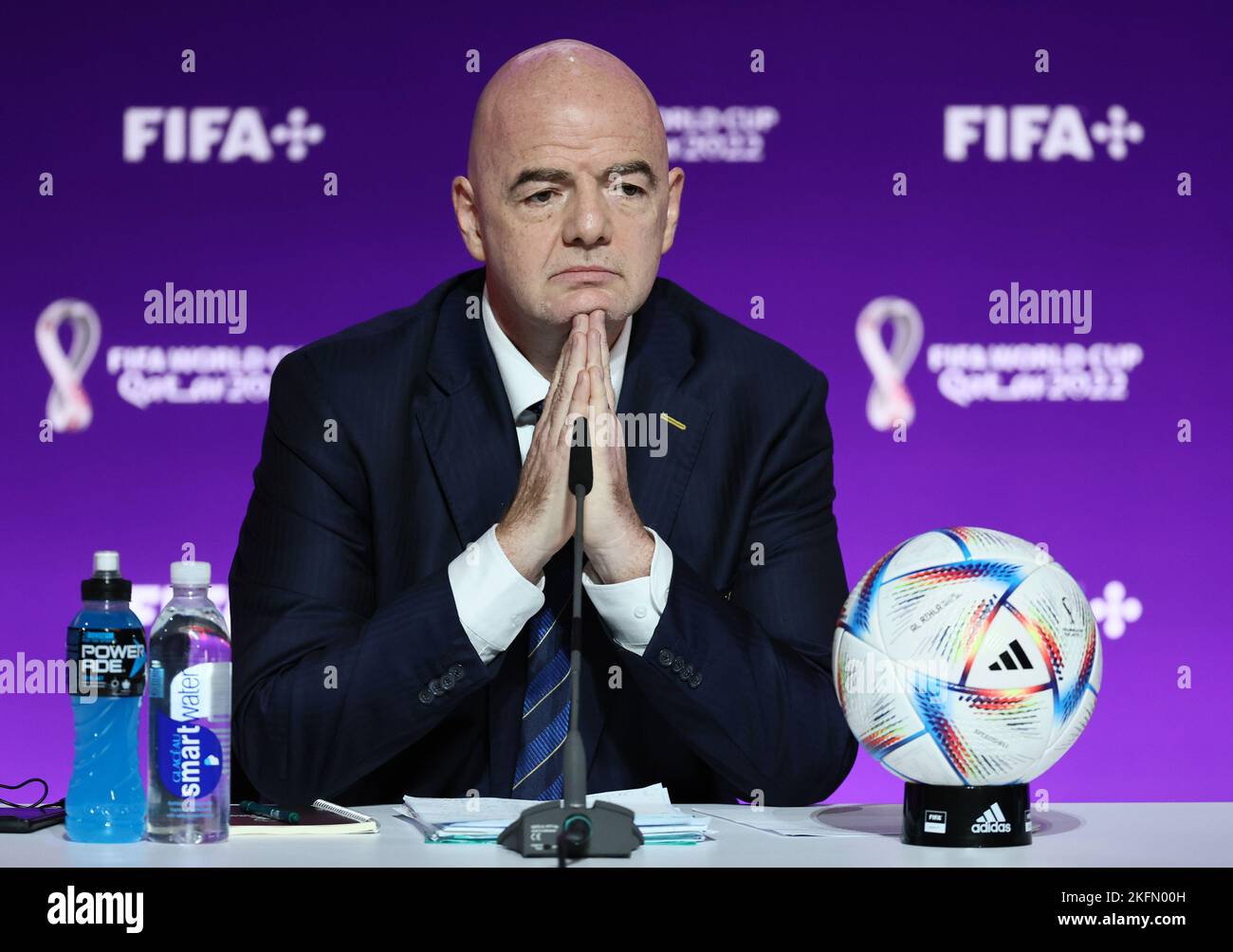
- Key messages: transparent communication with the press, commitment to fan safety.
- Infantino reaffirmed FIFA’s focus on gender equity, announcing plans to increase female representation in officiating roles.
- The briefing also served to quell concerns about the tournament’s environmental footprint.
Unexpected Meeting with Donald Trump
During the 2026 World Cup final draw event, Infantino met with former President Donald Trump at the Kennedy Center. Though the conversation was brief, it underscored the growing influence of American politics in international sports. Trump praised FIFA for expanding the sport’s reach into North America, while Infantino stressed the importance of maintaining the sport’s integrity amidst political scrutiny.
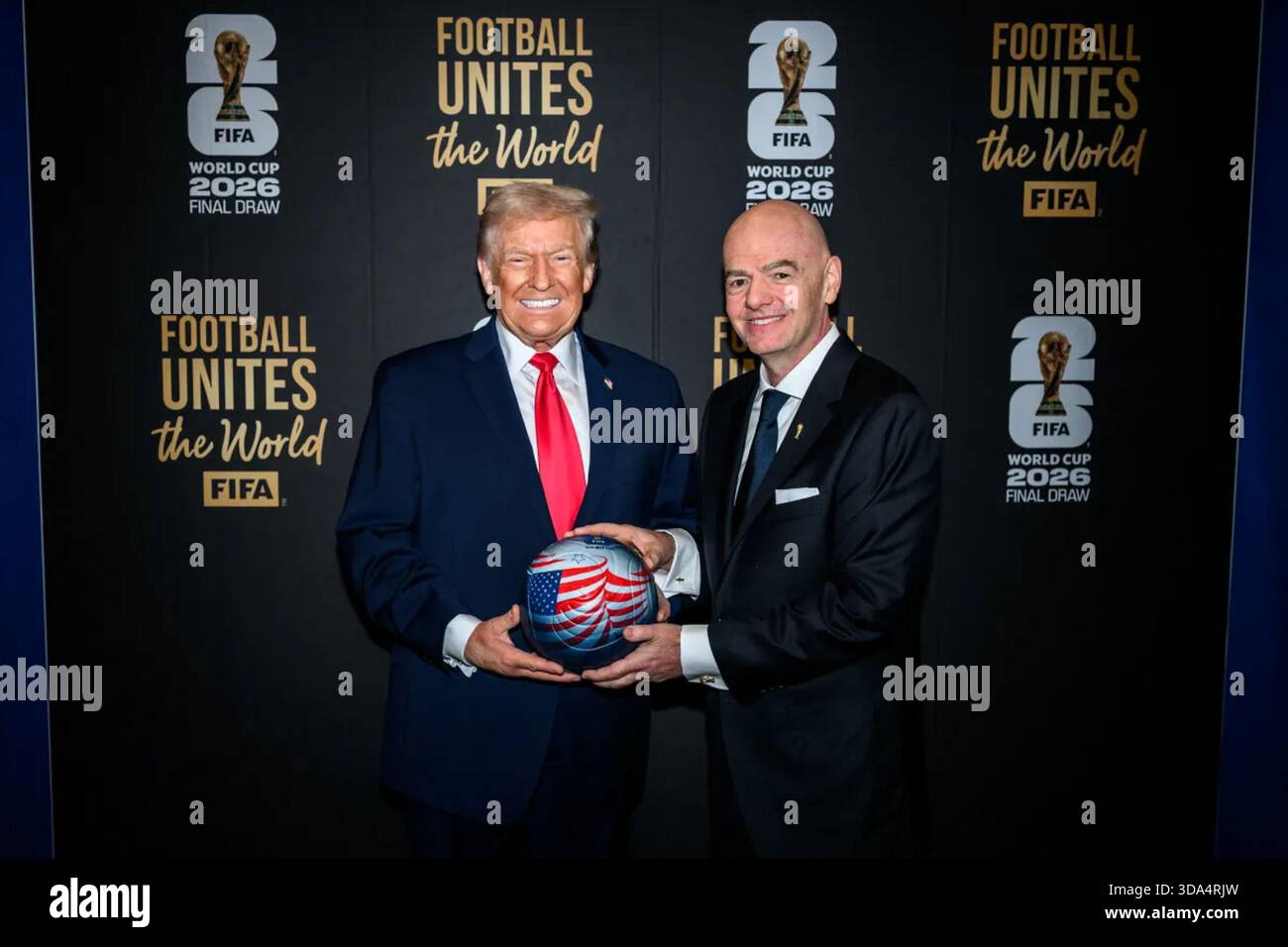
- Signaled bipartisan support for football’s growth in the United States.
- Highlighted the need for collaborative governance between sports bodies and government agencies.
- Reinforced the role of high‑profile figures in promoting the sport globally.
Implications for Global Football
These two events demonstrate FIFA’s dual strategy: engaging with media to maintain transparency and partnering with political leaders to secure support for future tournaments. The Doha briefing showed FIFA’s commitment to responsible hosting, while the Kennedy Center meeting hinted at potential diplomatic leverage for upcoming World Cup bids.
For fans, the meetings signal that football is not only a sport but also a platform for international dialogue. As the 2026 World Cup approaches, stakeholders will be watching closely to see how the lessons from Doha influence tournament planning and how the U.S. political climate shapes the event’s promotion.
Looking Ahead
FIFA’s recent public engagements set a precedent for open communication and political collaboration. Whether these efforts translate into smoother tournament operations remains to be seen. Nonetheless, the organization’s willingness to address media concerns and engage with high‑level political figures suggests a proactive approach to the complex challenges of hosting global sporting events.
